

Capital gains and your home sale
When you sell your primary residence, you can make up to $250,000 in profit if you’re a single owner, twice that if you’re married, and not owe any capital gains taxes.
When the Taxpayer Relief Act of 1997 became law, the rollover or once-in-a-lifetime options were replaced with the current per-sale exclusion amounts.
You don’t have to buy another home with your sale proceeds. You can use the money as you wish.
Better yet, there’s no limit on the number of times you can use the home-sale exemption. In most cases, you can make tax-free profits of $250,000, or $500,000 depending on your filing status, every time you sell a home.
Qualifying Requirements:
- First, the property you’re selling must be your principal residence. That means you live in it. This tax break doesn’t apply to a house or other property that you have solely for investment purposes. In those cases, the usual capital gains rules apply.
- You also must live in that principal residence for 2 of the 5 years before you sell. This is known as the use test. It also means, practically speaking, each sale must be at least 2 years apart.
- That still leaves you room to make some money on several properties. You can sell your residence this year, pocket any gain within the tax limits and buy a new residence. Then 2 years later, you can do the same thing, again and again, every 2 years.
It’s just about that easy.
Shameless disclaimer: I am not a tax attorney, accountant or CPA. Always seek the property authorities for the proper
advice. Until then this will have to do.
Marty Gale

Does the News have you Scared
Don’t Let Frightening Headlines Scare YouThere’s a lot of anxiety right now regarding the coronavirus pandemic. The health situation must be addressed quickly, and many are concerned about the impact on the economy as well.Amidst all this anxiety, anyone with a...
According to the Salt Lake Board of Realtors®Salt Lake home sales year-to-date are roughly the same as they were last year at this time. While everyday life has changed, the current economic quarantine could be short-lived, according to Lawrence Yun, chief economist...
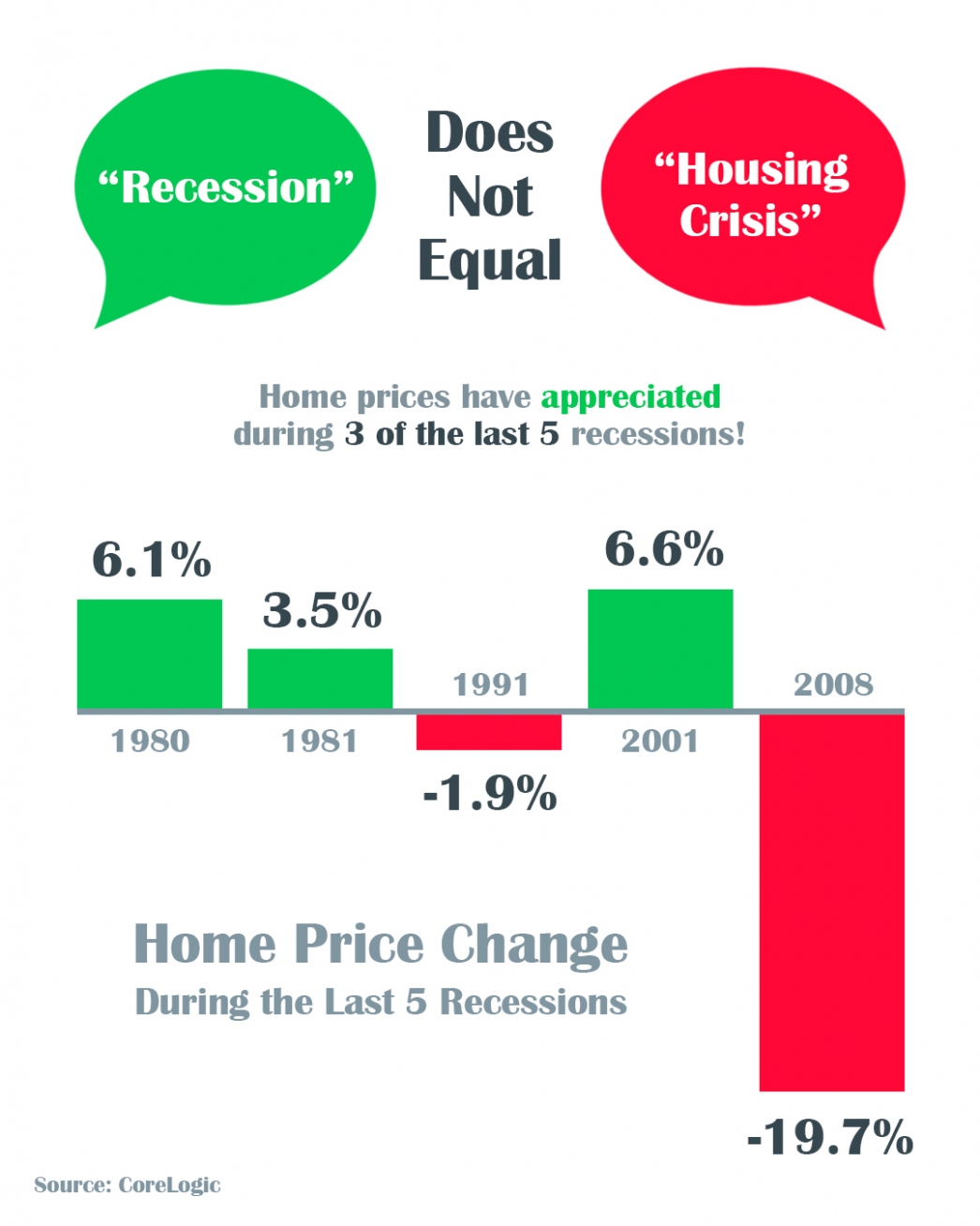
A Recession Does Not Equal a Housing Crisis
A Recession Does Not Equal a Housing Crisis Some HighlightsThe COVID-19 pandemic is causing an economic slowdown.The good news is, home values actually increased in 3 of the last 5 U.S. recessions and decreased by less than 2% in the 4th.All things considered, an...